Missed the July 1, 2026 New Jersey Benchmarking Deadline? What Building Owners Should Do Next
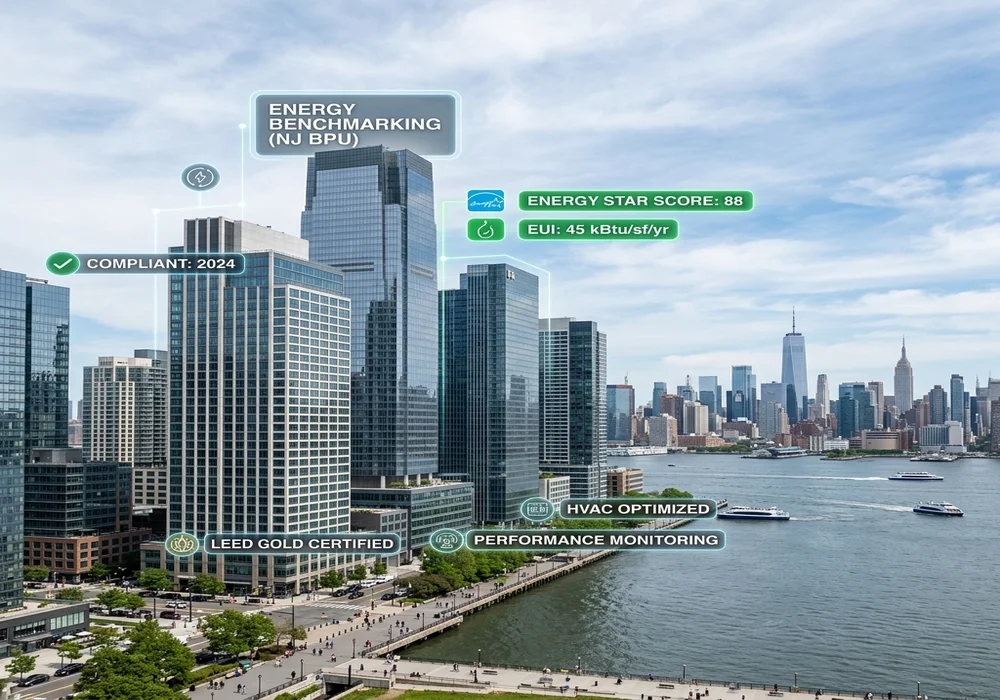
The 2026 New Jersey energy and water benchmarking deadline has now passed.
For covered commercial and multifamily building owners, the key date was July 1, 2026, and the required reporting period was January 1, 2025 through December 31, 2025. New Jersey's Clean Energy Program identified the 2026 reporting season as the filing cycle for 2025 energy and water data, and the New Jersey Board of Public Utilities also highlighted the July 1, 2026 deadline for commercial buildings over 25,000 square feet.
For many owners and property managers, the question now is simple: what should we do if the deadline was missed, the filing is incomplete, or the benchmarking data may not be accurate?
The answer is not to ignore it. The right move is to organize the record, identify what went wrong, and create a clean path forward before future reporting cycles become more complicated.
Why the 2026 New Jersey Benchmarking Deadline Mattered
New Jersey's benchmarking program was created under the Clean Energy Act framework and requires owners or operators of covered large commercial buildings to benchmark energy and water use using the EPA's ENERGY STAR Portfolio Manager tool. NJBPU originally approved the statewide energy and water benchmarking program to help building owners measure energy and water usage, compare performance, reduce operating costs, and support broader energy-efficiency goals.
This is not just a paperwork requirement. Benchmarking creates a performance record for a building. That record can affect how owners understand utility use, identify inefficiencies, plan capital improvements, and prepare for future building-performance expectations.
If the July 1, 2026 deadline was missed, the issue should be treated as both a compliance problem and a data-management problem.
Confirm Whether the Building Is Actually Covered
The first step is to confirm whether the property falls under New Jersey's mandatory benchmarking requirement.
New Jersey's program applies to covered large commercial buildings over 25,000 square feet, with reporting through ENERGY STAR Portfolio Manager. In practice, owners should review building size, property type, tax classification, covered-building list status, and any recent changes such as sale, occupancy shifts, vacancy, demolition, or major renovation.
This matters because some buildings are clearly covered, some are clearly outside the mandatory program, and some need a closer review. The Cotocon Group can help owners and managers review coverage before spending time correcting a filing that may require a different compliance path.
Check the ENERGY STAR Portfolio Manager Record
If the building is covered, the next question is whether the Portfolio Manager record is accurate.
Many benchmarking problems begin with incorrect setup. Common issues include wrong gross floor area, incorrect property type, missing meters, duplicate meters, wrong fuel type, incorrect occupancy details, missing water data, incomplete 12-month utility history, old meters still attached to the property, or mixed-use spaces entered incorrectly.
ENERGY STAR Portfolio Manager is only as useful as the data entered into it. A benchmark with bad inputs can create misleading performance results and make future year-over-year comparisons unreliable. For New Jersey owners, this is especially important because benchmarking is annual. A bad 2025 record can create confusion when preparing 2026 data for the next cycle.
Collect Missing 2025 Energy and Water Data
The 2026 reporting cycle used utility data from January 1, 2025 through December 31, 2025.
If the filing was missed or incomplete, owners should immediately gather electric bills, natural gas bills, water bills, fuel oil records if applicable, steam or district energy records if applicable, tenant-direct utility data where needed, utility aggregation request documentation, and Portfolio Manager screenshots or submission records.
The goal is to build a complete data trail, not just enter numbers quickly.

Review Tenant and Utility Data Issues
New Jersey's benchmarking program was designed to allow building owners to obtain aggregated building-level energy and water data from utilities. NJBPU has also described tenant-consent scenarios, including cases where a building has fewer than four tenants or one tenant accounts for more than 50 percent of energy or water consumption.
This is one of the most common reasons benchmarking gets delayed. Owners should review whether the building is master-metered or tenant-metered, whether utility aggregation was requested, whether tenant consent was required, whether tenant outreach was completed, whether the utility provided full-year data, and whether any data gaps remain.
This is where an experienced benchmarking team can make a major difference. The Cotocon Group can help identify which data path applies and what documentation should be preserved.
Build a Corrective Benchmarking File
Even if the deadline has passed, owners should create an organized benchmarking file.
That file should include the building coverage review, Portfolio Manager property profile, utility data summary, meter list, water data status, tenant consent status if applicable, submission status, known issues, recommended corrections, and next-cycle preparation notes.
This becomes the foundation for future compliance. A clean file also helps owners avoid repeating the same mistakes next year.
Use the Missed Deadline as a Wake-Up Call
The biggest mistake owners can make is treating a missed benchmarking deadline as a one-time administrative issue.
Benchmarking is becoming part of a larger energy-performance environment. On July 15, 2026, NJBPU approved a one-year energy efficiency transition plan intended to lower ratepayer costs and prepare New Jersey for a more modern smart grid and future energy-efficiency program cycle.
That recent action is not the same as benchmarking enforcement, but it shows the direction of travel: New Jersey is continuing to build a more data-driven, efficiency-focused energy system. Owners who organize their building data now will be better positioned for future requirements, incentives, audits, and performance planning.
How The Cotocon Group Can Help
The Cotocon Group helps New Jersey building owners, property managers, and portfolio teams with benchmarking coverage review, ENERGY STAR Portfolio Manager setup and cleanup, utility data collection, water benchmarking coordination, tenant and utility data workflows, missed or incomplete filing review, data-quality corrections, portfolio benchmarking management, and post-benchmarking performance analysis.
We help owners move from confusion to clarity.
Final Takeaway
If your building missed the July 1, 2026 New Jersey benchmarking deadline, do not wait for the next cycle to fix the problem.
Start now. Confirm coverage, clean up the Portfolio Manager record, collect the missing 2025 energy and water data, document utility issues, and prepare a stronger process for future reporting.
Benchmarking is no longer just a deadline. It is the foundation for better building data, smarter energy decisions, and long-term compliance readiness.
Need help reviewing a missed or incomplete New Jersey benchmarking filing? Contact The Cotocon Group for a benchmarking compliance review.
Frequently Asked Questions
Q: What was the 2026 New Jersey benchmarking deadline?
A: The 2026 New Jersey benchmarking deadline was July 1, 2026, using energy and water data from January 1, 2025 through December 31, 2025.
Q: What should I do if I missed the New Jersey benchmarking deadline?
A: Confirm whether the building is covered, review the Portfolio Manager record, collect missing utility data, correct errors, and prepare a complete compliance file.
Q: Can The Cotocon Group help after the deadline has passed?
A: Yes. The Cotocon Group can help review coverage, organize data, correct Portfolio Manager records, and prepare owners for future benchmarking cycles.
Need Benchmarking Support in New Jersey?
Speak with our team to resolve missed filings, organize Portfolio Manager records, and streamline building energy compliance.
Contact The Cotocon Group