New Jersey Benchmarking 2026 - Deadline, Covered Buildings, and What Owners Should Do Now
Quick Answer:
For the 2026 reporting season, New Jersey covered commercial buildings over 25,000 square feet are required to report energy and water usage for calendar year 2025 by July 1, 2026. The Cotocon Group helps building owners confirm coverage, review the BEAM-hosted Covered Building List, organize utility data, and complete the benchmarking process correctly.
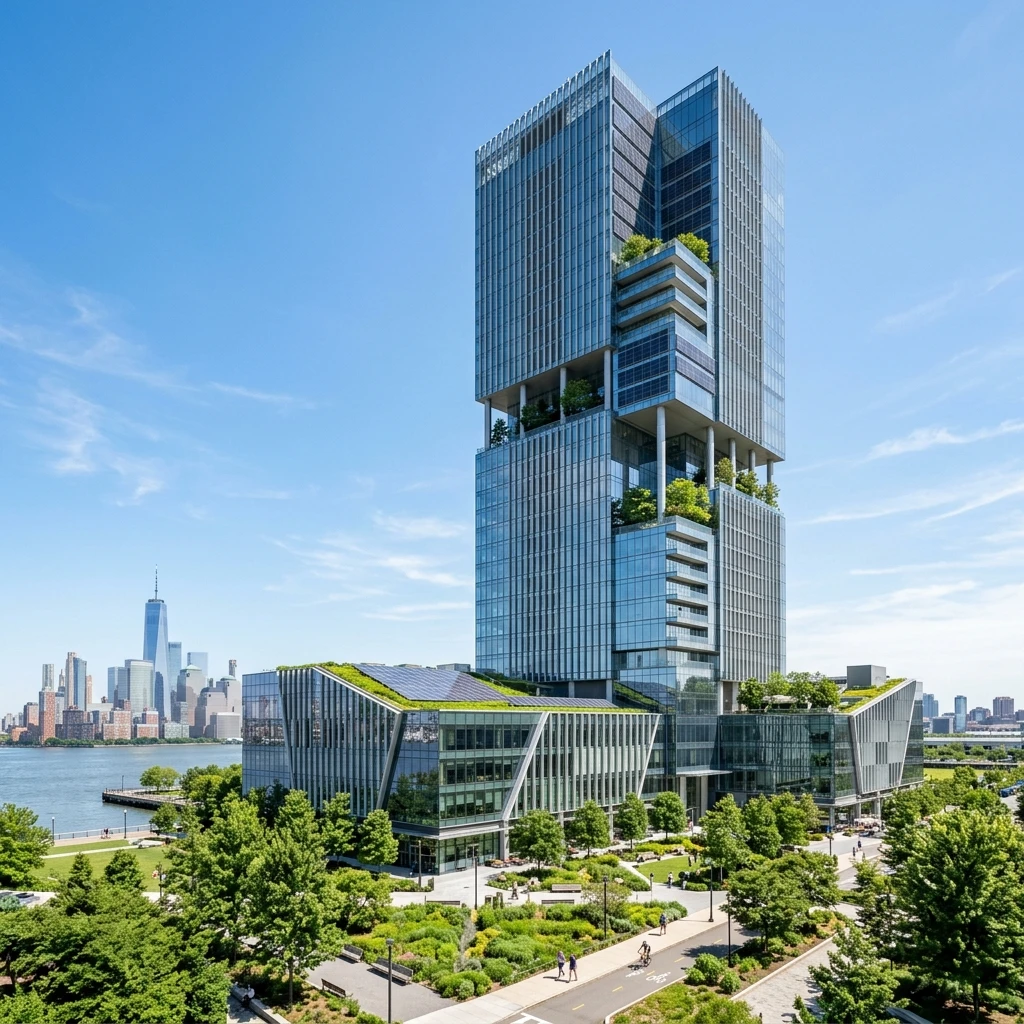
New Jersey building owners are entering another important compliance year. The 2026 New Jersey Energy and Water Benchmarking reporting season requires covered buildings to report their energy and water consumption to the New Jersey Board of Public Utilities (NJ BPU). For owners, property managers, asset managers, and building operators, the key date is July 1, 2026.
At The Cotocon Group, we look at benchmarking as more than an annual filing. A clean benchmarking submission gives ownership a clearer understanding of how a property is performing, where operating costs may be increasing, and whether building data is accurate enough to support future energy planning. It is one of the first compliance records that can turn scattered utility bills into a useful building-performance profile.
What New Jersey Building Owners Need to Know for 2026
The 2026 reporting season focuses on prior-year consumption. That means covered buildings must report energy and water usage from January 1, 2025 through December 31, 2025. The requirement applies annually, so owners should treat benchmarking as part of the building compliance calendar, not as a one-time administrative task.
| Requirement | 2026 Reporting Season Detail |
|---|---|
| Deadline | July 1, 2026 |
| Data period | January 1, 2025 through December 31, 2025 |
| Main platform | ENERGY STAR Portfolio Manager, with NJ BPU/BEAM compliance tracking |
| Covered size threshold | Commercial buildings over 25,000 square feet |
| Cotocon assistance | Coverage review, data collection support, Portfolio Manager setup, filing, and quality-check review |
Who Is Covered Under New Jersey Benchmarking?
A covered building generally includes a commercial building in New Jersey with gross floor area over 25,000 square feet. The 2026 NJ BPU webinar identifies three major building categories that may need to benchmark energy and water annually:
- Commercial buildings, including Class 4A properties.
- Apartment buildings designed for five families or more, including Class 4C properties.
- Certain state properties, including a subset of Class 15C public buildings.
This means the requirement can affect office buildings, retail properties, mixed-use commercial buildings, multifamily buildings, institutional properties, and certain public facilities throughout New Jersey. Owners should not assume they are exempt simply because they have not filed before or did not immediately recognize the program notice.

The BEAM-Hosted Covered Building List Is a Major 2026 Update
One of the most useful updates for the 2026 reporting season is the BEAM-hosted Covered Building List. New Jersey building owners and their representatives can use the BEAM platform to identify whether a property is included for the current reporting season.
This matters because covered-building status can be misunderstood. Property records, mailing addresses, owner contacts, and building square footage may not always align with what the current ownership team expects. The Covered Building List gives owners a more direct way to check whether action is required.
The Cotocon Group recommends that owners check the list early, especially if they manage multiple New Jersey properties, recently acquired a building, changed property managers, or operate a building near the 25,000-square-foot threshold.
Why Square Footage Review Matters
For New Jersey benchmarking, square footage is not a minor detail. A property that appears close to the 25,000-square-foot threshold should be reviewed carefully. If a parking garage is attached to the commercial building, the garage square footage may be factored into the total building square footage.
Campus properties also require careful review. If one or more campus buildings are over 25,000 square feet, those buildings may need to be benchmarked. In some cases, the campus owner may decide whether to include buildings under 25,000 square feet. That decision should be made with a clear understanding of how the property should be represented in Portfolio Manager and BEAM.
Possible Exemptions: Do Not Assume, Confirm
Some buildings that meet the covered-building criteria may qualify for an exemption, but exemptions are not something owners should assume automatically. The 2026 program materials identify potential exemption situations such as new buildings that did not operate for the full calendar year, demolitions, buildings unoccupied for the full year, foreclosure or bankruptcy, and other qualifying conditions.
If your property may qualify for an exemption, The Cotocon Group can help review the situation and organize the information needed to support the request. The important point is to address the exemption early, not after the reporting deadline is already close.
Why Benchmarking Should Matter to Owners
Benchmarking is often seen as another compliance obligation, but when handled correctly, it can reveal important information about the building. It helps ownership understand whether energy and water usage is aligned with the building type, size, occupancy, and operational expectations.
For owners and managers, this can support better decisions around preventive maintenance, utility budgeting, capital planning, tenant operations, and future energy-efficiency improvements. A building that uses more energy or water than expected may have equipment issues, control problems, operating schedule problems, leaking water systems, or missing data. Benchmarking is often the first step toward finding those issues.
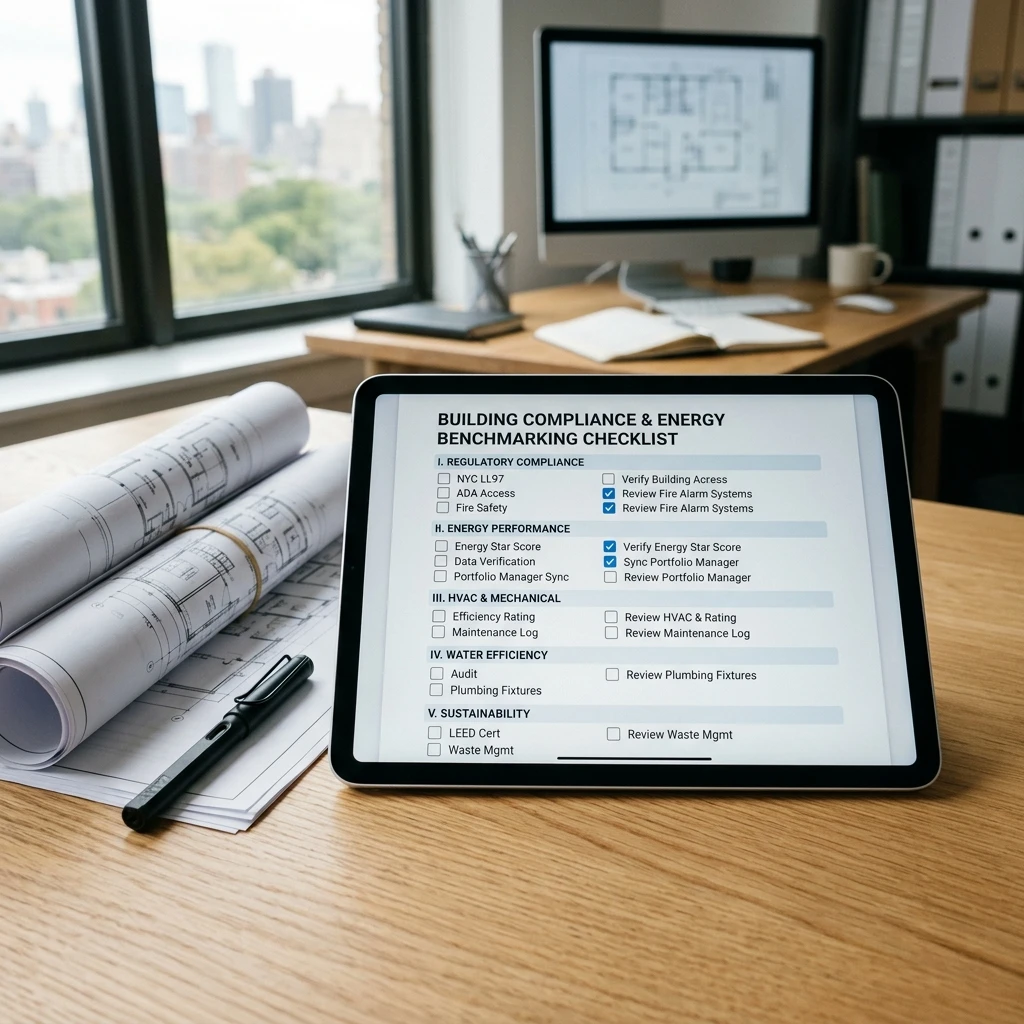
The Cotocon Group Perspective: Compliance Is Only the Starting Point
The Cotocon Group works with building owners who want compliance handled correctly, but also want to understand the bigger picture. A benchmarking report should not be treated as a rushed upload. It should be reviewed for data completeness, property accuracy, correct building identifiers, and obvious data quality concerns.
A poor-quality filing may technically be submitted, but still leave ownership with confusion, follow-up messages, or unreliable performance records. Our approach is to help owners create a cleaner compliance record from the beginning.
What Owners Should Do Before July 1, 2026
New Jersey benchmarking requires coordination. Owners may need utility data, building records, Portfolio Manager access, current property contact information, and a review of possible data flags. The best time to begin is well before the deadline:
- Confirm whether your property appears on the BEAM-hosted Covered Building List.
- Review the building square footage, property type, and ownership/contact information.
- Collect or request 2025 energy and water data from the appropriate utilities.
- Set up or update the ENERGY STAR Portfolio Manager property profile.
- Add the correct Unique Building Identifier, or UBID, where required.
- Share the property correctly with NJ BPU for benchmarking compliance review.
- Check for data quality issues and correct them before the deadline.
How The Cotocon Group Can Help
The Cotocon Group can support New Jersey building owners through the full benchmarking process. Our team can help determine whether a building is covered, organize the filing workflow, coordinate energy and water data, prepare Portfolio Manager records, review BEAM progress, identify data-quality problems, and support a cleaner submission.
If your building is on the Covered Building List, or if you are unsure whether your property is required to report, contact The Cotocon Group at info@thecotocongroup.com.
Need help before July 1?
Start with a coverage and data-readiness review, then move directly into filing support.
Request a Review